Alert on what actually matters, and prove why you closed the rest
Security tools apply the same policy everywhere, so a dead test account generates the same critical as a production system holding regulated data. imPAC scopes detections by environment and data sensitivity, confirms findings against the tools you already run, and keeps a documented rationale for every finding you downgrade or close.
Built for CISOs, SOC leads, and cloud security engineers drowning in findings they cannot triage.
- Read-only
- and agentless, no new agents to deploy
- 3 clouds
- AWS, Azure, and GCP
- Layered
- findings confirmed against your existing tools
- Documented
- rationale retained for every downgrade or closure
The problem is not alert volume. It is that every alert looks equally urgent.
A finding on an untagged sandbox instance and a finding on a production database holding customer records arrive with the same severity label. Because the tool cannot tell them apart, the team either works the queue top to bottom and burns hours on nothing, or bulk closes and hopes. Both outcomes are bad, and the second one is a finding waiting to happen at your next audit.
Severity ignores what the asset actually holds
Detection engines score the misconfiguration, not the exposure. An open port on an empty dev bucket and an open port on a bucket holding PII score identically because the engine has no idea what is inside either one. The analyst supplies that context manually, one finding at a time, which is the expensive part of triage.
Same score. The engine cannot see what is inside either one.
Bulk closure destroys the audit trail
When the queue is unworkable, teams close in bulk. Six months later an auditor asks why a specific finding was closed and there is no answer beyond the timestamp. The closure decision may have been entirely correct, but nothing recorded the reasoning, so it cannot be defended.
You are assuming coverage you have not verified
Your endpoint and vulnerability tools report on the workloads they can see. Nothing reports on the workloads they cannot. A host that never had the agent installed does not generate alerts, so it looks identical to a host that is clean. The gap is invisible by construction, and it is usually found during an incident.
No alerts is not the same as no risk.
Four ways imPAC reduces the queue without hiding risk
Scope by what matters, confirm against what you already own, verify your tools are actually there, then keep the record.
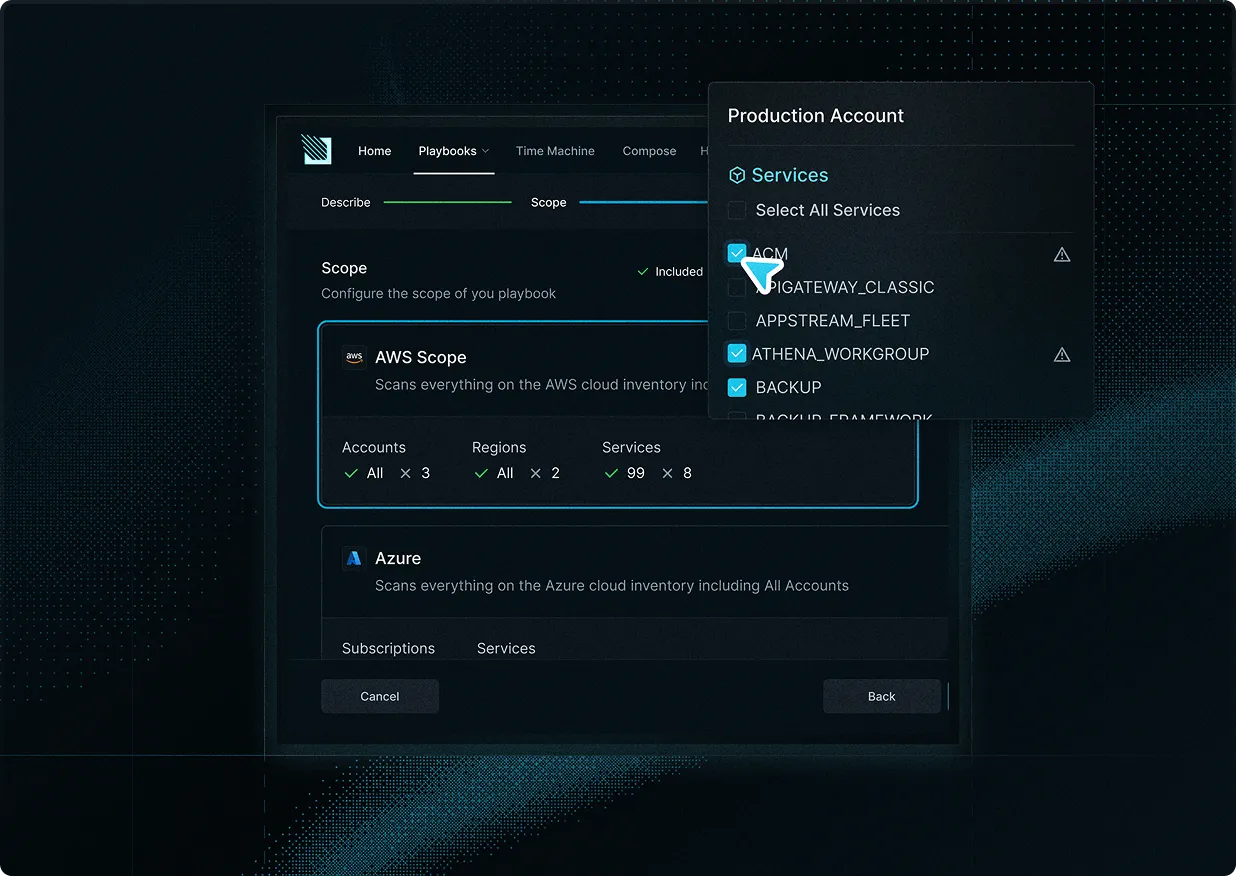
Run policies against production and Tier 1 environments on different terms than sandbox and decommissioned accounts. The finding on a dead account does not need to reach a human at all, and the policy that says so is written in no-code by the team that owns the environment.
Where a DSPM has classified the data, imPAC ingests those tags and adjusts severity to match. A misconfiguration on an asset holding regulated data escalates automatically. The same misconfiguration on an empty asset does not. This is the risk context layer, and it works with Cyera, Varonis, and BigID.
Correlate signals across the tools you already run so a finding arrives with layered-defense mapping attached, showing which other controls are protecting the asset. Separately, verify that those tools are deployed where you think they are. imPAC can identify workloads with no agent reporting at all, which is a gap your endpoint tool cannot report on by definition.
Every downgrade and every closure keeps its reasoning, its evidence, and its timestamp. When an auditor or a regulator asks why a finding was closed in March, the answer is retrievable with the configuration state that justified it, rather than reconstructed from memory.
Verify your security tools are running where you think they are
An endpoint tool can only report on hosts running its agent. The hosts that never had one installed are absent from its inventory, so they generate no alerts and look identical to hosts that are clean. imPAC builds the workload inventory independently from the cloud provider and compares it against what your tools actually report. The difference is your coverage gap, and it is not a claim a detection tool can make about itself.
Read how this works with CrowdStrike coverageFindings that arrive with their context attached
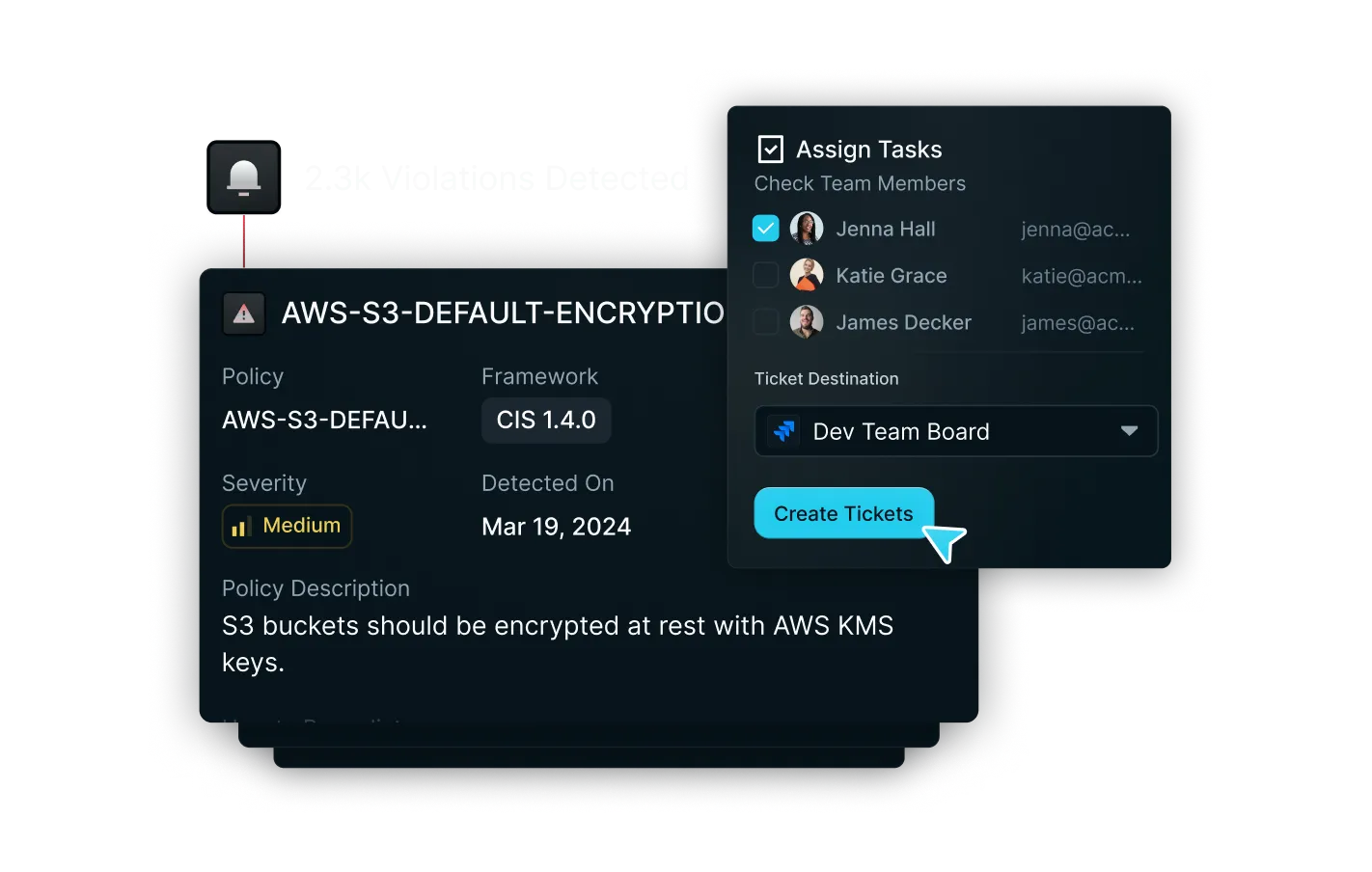
Severity weighted by what the asset holds, layered-defense mapping from the tools you already run, and the rationale retained with every decision.
What gets filtered, and on what basis
Nothing is suppressed silently. Each filter has a stated basis and a retained record.
imPAC does not replace your detection tools. It scopes, contextualises, and confirms what they produce, and it tells you where they are not running. Keep the tools. Make their output workable. Where severity weighting is driven by data classification, the companion page is Turn Data Tags into Enforced Controls.
“We were closing findings in bulk because there was no other way through the queue. Now severity reflects what the asset actually holds, and when we downgrade something the reasoning is attached to it. Our last audit went through those decisions and did not open a single finding.”
-CISO, Financial Services
What a workable queue means for your team
Time on real issues
Analysts spend minutes on findings that matter instead of hours establishing which ones do.
One engineer, not a team
Triage that required a rotation becomes a single person's workload.
Defensible closures
Every downgrade carries documented rationale and evidence, retained by date.
Coverage you verified
Find the workloads your endpoint and vulnerability tools are not reporting on at all.
Sensitivity-aware severity
Findings escalate based on the data behind the asset, not the asset type alone.
Less burnout
Stop grinding a capable team against a queue that cannot be finished and was never meant to be.
Frequently Asked Questions
Are you hiding risk by downgrading findings?
Do we need a DSPM for this to work?
How is the tool assurance check different from what our endpoint tool reports?
Does this replace our SIEM?
Which tools can findings be correlated against?

See your own queue, filtered
Bring a sample of the findings your team is currently working through. We will show you which ones survive scoping, which ones escalate on data sensitivity, and which workloads your tools are not covering.